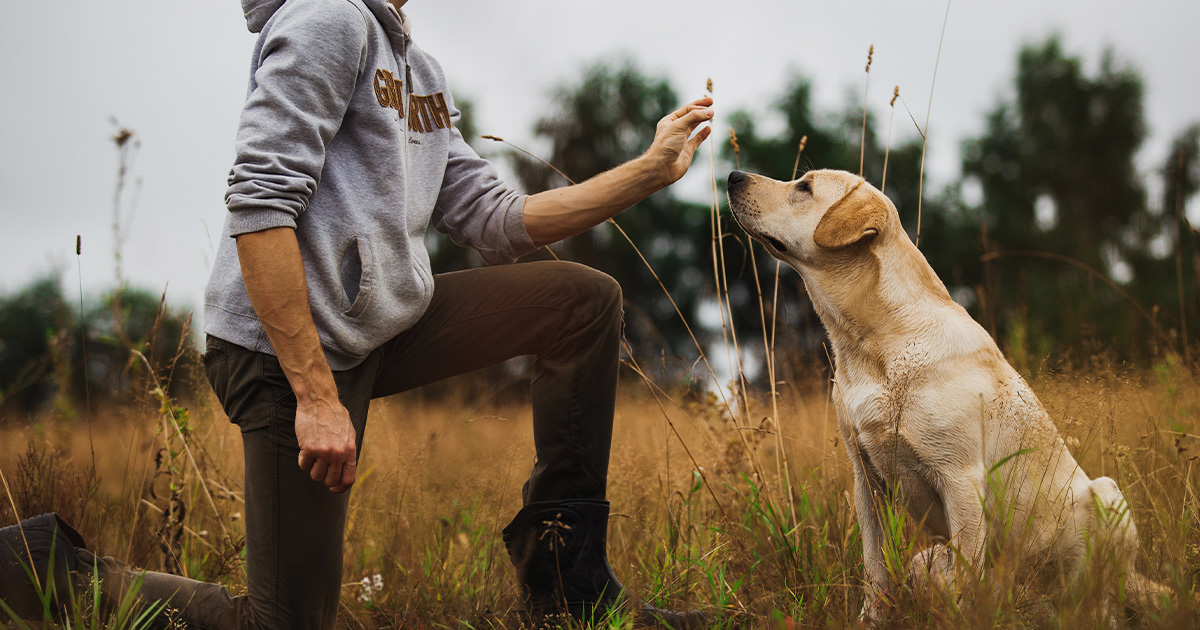
Top 5 Easy Tricks to Teach Your Dog for Better Behavior
Teaching your dog better behavior can be an enjoyable and rewarding experience for both you and your furry companion. Here are the Top 5 Easy Tricks you can teach your dog to enhance their behavior:
- Sit: This fundamental command is essential for controlling your dog's movements. Start by holding a treat above their nose and slowly move it back. As your dog follows the treat, their bottom will naturally lower. Once they are in the sitting position, say 'Sit' and praise them.
- Stay: Building on the 'Sit' command, 'Stay' teaches your dog to remain in place until you give another command. After they master 'Sit,' take a step back, and say 'Stay.' Gradually increase the distance and duration before rewarding them.
- Come: This command can be a lifesaver for ensuring your dog's safety. Practice by calling your dog using a joyful tone and rewarding them with a treat when they come to you. Always use a positive and encouraging tone to reinforce the behavior.
- Leave it: This trick helps your dog understand what is off-limits. Place a treat in one hand and let them sniff it, then say 'Leave it.' When they back away, reward them with a different treat from your other hand.
- Lay Down: This command helps to calm your dog in situations where hyperactivity may be an issue. Begin with your dog in a sitting position, then guide them down with a treat to encourage them to lay flat. Praise them as soon as they do.
How to Use Positive Reinforcement for Successful Dog Training
Positive reinforcement is a powerful method in dog training that focuses on rewarding desirable behaviors rather than punishing undesirable ones. This approach not only fosters a stronger bond between the pet and owner but also promotes a more enjoyable training experience for both. To effectively implement positive reinforcement, you can start by using treats, praise, or playtime as rewards when your dog successfully performs a command, such as sitting or staying. Consistency is key; make sure to reward your dog immediately after they exhibit the desired behavior to help them make the connection.
In addition to immediate rewards, consider incorporating a variety of training techniques that utilize positive reinforcement. Use a clicker to mark specific behaviors, which can help clarify what you are praising. Establishing a routine where certain actions prompt rewards creates an environment of expectation and excitement for your dog. Remember that patience is vital; some dogs may take longer to learn than others. By embracing a positive mindset and celebrating small victories, you'll find that your efforts in dog training yield successful and lasting results.
Common Dog Behavior Problems and Effective Solutions
Common dog behavior problems can affect the bond between you and your furry friend. Some of the most prevalent issues include excessive barking, destructive chewing, and separation anxiety. For instance, excessive barking may be triggered by boredom, fear, or the need for attention. Identifying the root cause of these behaviors is crucial in addressing them effectively. Here are some common problems you might encounter:
- Excessive barking
- Destructive chewing
- Separation anxiety
To tackle these behavior problems, implementing structured training techniques can yield positive results. For instance, providing sufficient exercise and mental stimulation through interactive toys and regular walks can significantly reduce destructive chewing. Moreover, for dogs prone to separation anxiety, desensitization techniques, such as short departures followed by gradual increases in time apart, can help them become more comfortable when left alone. Consistency and positive reinforcement are key to ensuring long-term success in modifying unwanted behaviors.